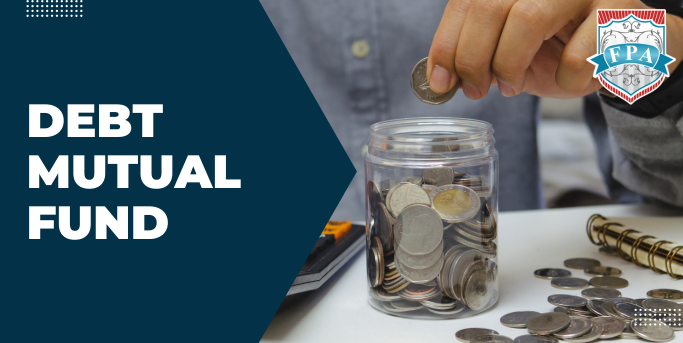
How to Select the Right Debt Mutual Fund is a practical course designed to help learners understand the
various types of debt mutual funds and the factors that influence their performance. The course explains
how interest rates, credit quality, duration, and market conditions impact debt funds. It guides learners on
analyzing fund portfolios, evaluating risk-return profiles, and choosing the most suitable debt mutual fund
based on financial goals, investment horizon, and risk appetite. By the end of the course, learners will be
equipped to make informed and confident investment decisions in the debt fund category.
Curriculum
- 1 Section
- 0 Lessons
- 9 Hours
- Curriculum
Course Structure
1. Introduction to Debt Mutual Funds
• Definition and characteristics of debt mutual funds
• Types of debt mutual funds (Liquid, Short-term, Long-term, Gilt, Credit Risk Funds, etc.)
• Key benefits and risks
2. Understanding Debt Market Instruments
• Bonds, government securities, corporate debt, and money market instruments
• Credit ratings and their significance
• Interest rate and inflation impact on debt investments
3. Debt Fund Performance Metrics
• Net Asset Value (NAV) and returns
• Yield to Maturity (YTM)
• Modified Duration, Macaulay Duration
• Credit risk, interest rate risk, and liquidity risk
4. Factors to Consider While Selecting Debt Funds
• Investment horizon
• Risk appetite and credit quality
• Fund category suitability (Short-term vs Long-term)
• Expense ratio and fund manager track record
5. Debt Fund Portfolio Analysis
• Understanding fund portfolio composition
• Evaluating past performance versus benchmark
• Assessing fund manager strategy and consistency
6. Taxation and Regulatory Aspects
• Tax implications on debt mutual funds (capital gains, TDS, etc.)
• SEBI regulations and compliance
• Exit load and liquidity considerations
7. Practical Tools for Fund Selection
• Use of financial websites and tools
• Comparing funds using ratings and past performance data
• Scenario analysis and stress testing
8. Case Studies and Real-world Examples
• Analysing top-performing debt funds
• Common mistakes investors make
• Portfolio construction tips for stability and returns
0
About the Instructor

Kirtan Shah
Kirtan Shah is a leading personal finance trainer, Co-founder of SRE Wealth and CEO of FPA Edutech. He is a CFP professional certified by the CFP Board and is known for simplifying investments and taxation. He delivers high-impact training sessions for institutes, corporates, and investor groups across India. His teaching style is practical, structured, and easy for both beginners and professionals to apply.